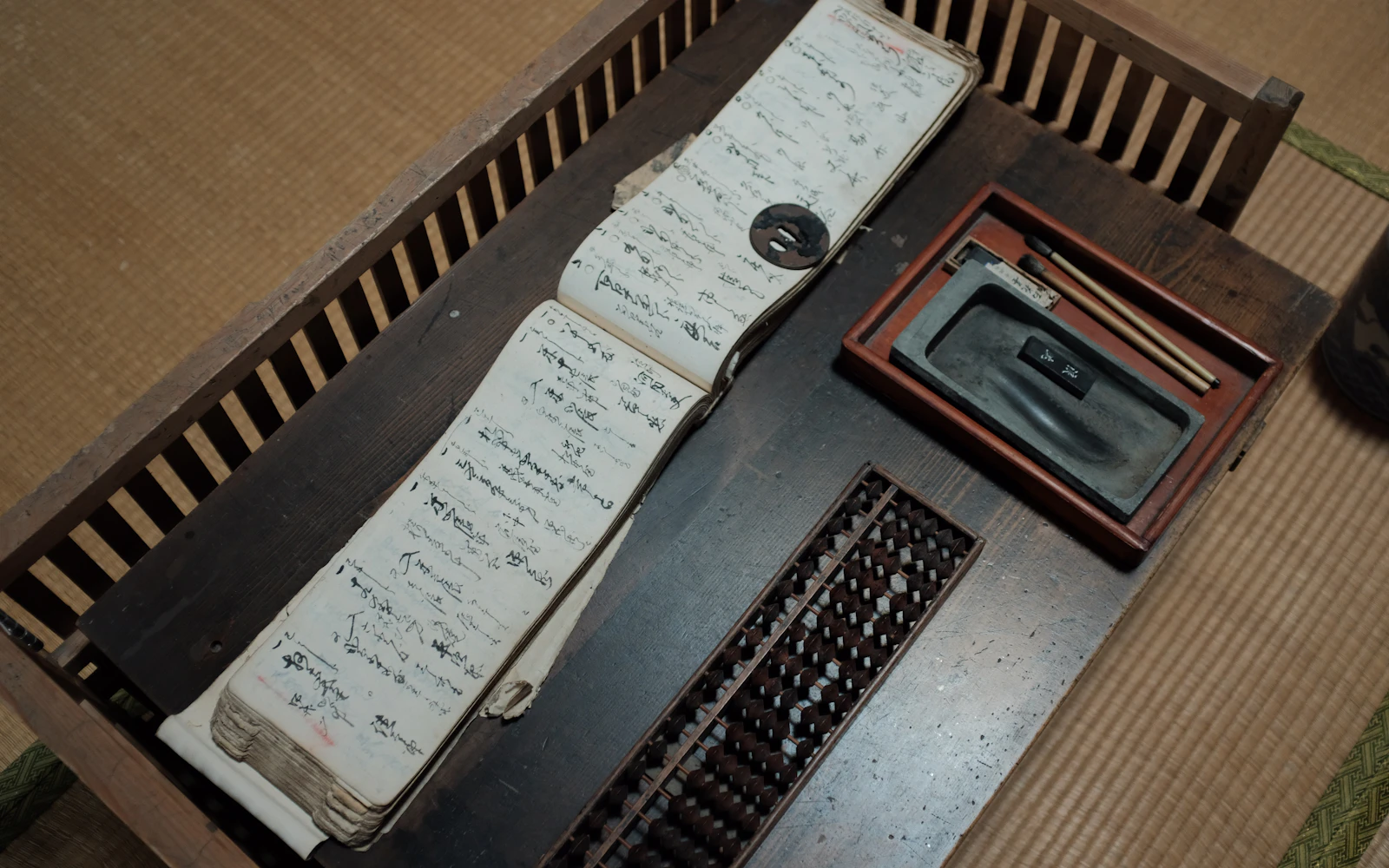
The process starts before a listing
The safest purchase sequence is not search, offer, contract, and hope that the details work. It is buyer definition, funding route, property screen, conditional offer, evidence review, contract decision, settlement preparation, registration, and post-closing operation. Each stage should close a different uncertainty. Moving ahead without closing it transfers the uncertainty into a deposit, a deadline, or an owned problem.
Start with a written brief that names the buyer, intended use, ownership structure, total cash budget, financing need, target geography, property type, timing, and exit horizon. Separate preferences from conditions that can make an acquisition impossible. A balcony view is a preference. A lender that will accept the borrower's status, a legal road connection, permission for the intended use, and an operating plan for an overseas owner are conditions.
Foreign nationality does not create a general ban on ordinary Japanese real estate, but ownership is only one workstream. Reporting under the foreign-exchange framework, designated-area notification, lending, tax administration, signing documents, and permitted use require separate answers.
Screen the asset before the offer
The first property screen should identify the land, building, rights, access, use, occupancy, and material operating obligations. For a condominium, request management fees, repair-reserve contributions, age, structure, management status, long-term repair information, and restrictions relevant to pets, leasing, renovation, or short stays. For a house or land, identify every parcel, road classification, frontage, setback, utilities, registered building, building-confirmation history, boundaries, and obvious planning constraints.
Price screening needs more than the listing's price per square metre. Define whether the denominator is exclusive condominium area, gross building area, registered floor area, or land area. Compare completed transactions where possible and adjust for time, size, age, floor, orientation, station access, tenure, condition, and building quality. An asking-price comparison can locate competing supply; it cannot establish achieved value.
At this stage the goal is not to finish due diligence. It is to reject assets that clearly conflict with the brief and to list the evidence required before commitment. A fast market is not improved by making fast mistakes.
Make the offer a clear proposal
A Japanese purchase application or offer should identify price, deposit, desired contract date, settlement date, financing position, intended buyer, included items, and material conditions. Its legal effect depends on the document and surrounding circumstances; do not treat every form as automatically non-binding. Ask the broker to explain what is being signed and how withdrawal is handled before submitting it.
Conditions should address real uncertainties rather than becoming a generic escape clause. A financed buyer may need a financing condition tied to a defined amount, application duty, lender process, and deadline. A tenanted asset may require delivery of the lease, deposit ledger, payment history, and management agreement. A house may require a road or boundary answer. A condominium renovation plan may require confirmation of building rules and approval procedure.
The seller may accept price while rejecting a condition or timetable. Keep a written issues list so that a negotiated concession does not disappear when the formal contract is prepared.
Complete diligence before the contract decision
The statutory important-matters explanation is central, but it is not the entire diligence file. Reconcile the registry, public maps, survey material, planning and road evidence, building records, seller disclosure, equipment list, inspection information, management documents, leases, tax notices, and contract draft. Translate the documents the buyer must understand and resolve material questions in the controlling Japanese text.
The review should distinguish a fact from its consequence. A road may be classified under the Building Standards Act; the next question is whether the subject site has sufficient legal contact and what setback applies. A building may have been confirmed under the post-June-1981 standard; the next questions are its actual confirmation date, structure, condition, alterations, and any diagnosis. A condominium may have a long-term repair plan; the next questions are whether it is current and funded.
Before signing, issue a short decision record: supported facts, unresolved items, contractual protections, estimated costs, downside cases, and reasons to proceed or decline.
Contract and deposit create real exposure
The sale contract sets price, deposit, payment dates, title delivery, risk allocation, cancellation, default, defect responsibility, fixtures, handover, and special agreements. There is no universal right to change one's mind after signing. Deposit-based cancellation, financing clauses, cooling-off rules, and default consequences depend on the transaction and documents.
Check that the buyer named in the contract matches the intended registered owner. Confirm how overseas signatures, seal or signature certificates, powers of attorney, translations, and corporate authority will be handled. Record who holds the deposit and what must happen for it to be returned, forfeited, or doubled under an agreed cancellation mechanism.
Do not allow a contract schedule to assume that overseas bank compliance, apostille or notarisation, lender valuation, or registry documents can be completed instantly. The closing calendar should be built from actual lead times.
Prepare settlement as a controlled reconciliation
Before settlement, the judicial scrivener confirms the registration package and seller's ability to deliver title. The lender, if any, confirms drawdown. The broker or closing team prepares a statement reconciling purchase balance, tax adjustments, management charges, rent, tenant deposits, brokerage, registration costs, and other agreed items. The buyer confirms the remittance route, currency, receiving account, cut-off time, and contingency plan.
At settlement, money, registrable title documents, possession, and keys are exchanged according to the agreed process. Existing mortgages should have a documented discharge route. Registration is then filed for the land, building, ownership shares, mortgage, and related rights that form part of the deal.
Keep the final signed contract, important-matters document, registry receipts, settlement statement, tax invoices, insurance, warranties, management handover, keys, plans, inspection reports, and digital copies in one permanent acquisition file.
The first year is part of the purchase
Closing is not the end of execution. Confirm the new registry record, insurance effective date, management-company and association contacts, utility transfer, tenant notices, tax mailing address, tax representative where required, and any foreign-exchange or land-related reporting. Calendar annual fixed-asset tax, income-tax filings, association meetings, lease events, inspections, and planned maintenance.
For a remote owner, appoint a person who can receive urgent notices and reach the property. For an investment, reconcile the first year of rent and expenses to the acquisition model. For a second home, implement ventilation, freeze, storm, moisture, security, landscaping, and vacancy checks appropriate to the location.
The useful measure of a purchase process is not how quickly title transferred. It is whether the asset, documents, funds, and operating system matched the decision made before contract.
Primary sources
- MLIT — Guidelines and materials for real-estate transactions with foreign customers: https://www.mlit.go.jp/totikensangyo/const/totikensangyo_const_tk1_000057.html
- RETIO — Consumer transaction guides and handbooks: https://www.retio.or.jp/info/index/
- Ministry of Justice — Outline of real-property registration: https://www.moj.go.jp/EN/MINJI/fudousantouki.html
- Ministry of Finance — Reports on real property acquired by a non-resident: https://www.mof.go.jp/english/policy/international_policy/real_property/index.html
- MLIT — Maximum real-estate brokerage remuneration: https://www.mlit.go.jp/totikensangyo/const/1_6_bf_000013.html
Reviewed against the linked sources on 23 August 2026. The signed Japanese documents and transaction-specific professional advice control the actual purchase.
Looking for a shorter starting point? Browse direct answers to common Japan property questions.
Apply this to a real property
Send us the asset or the brief.
We can review whether the property, structure, financing path, and exit logic hold together.