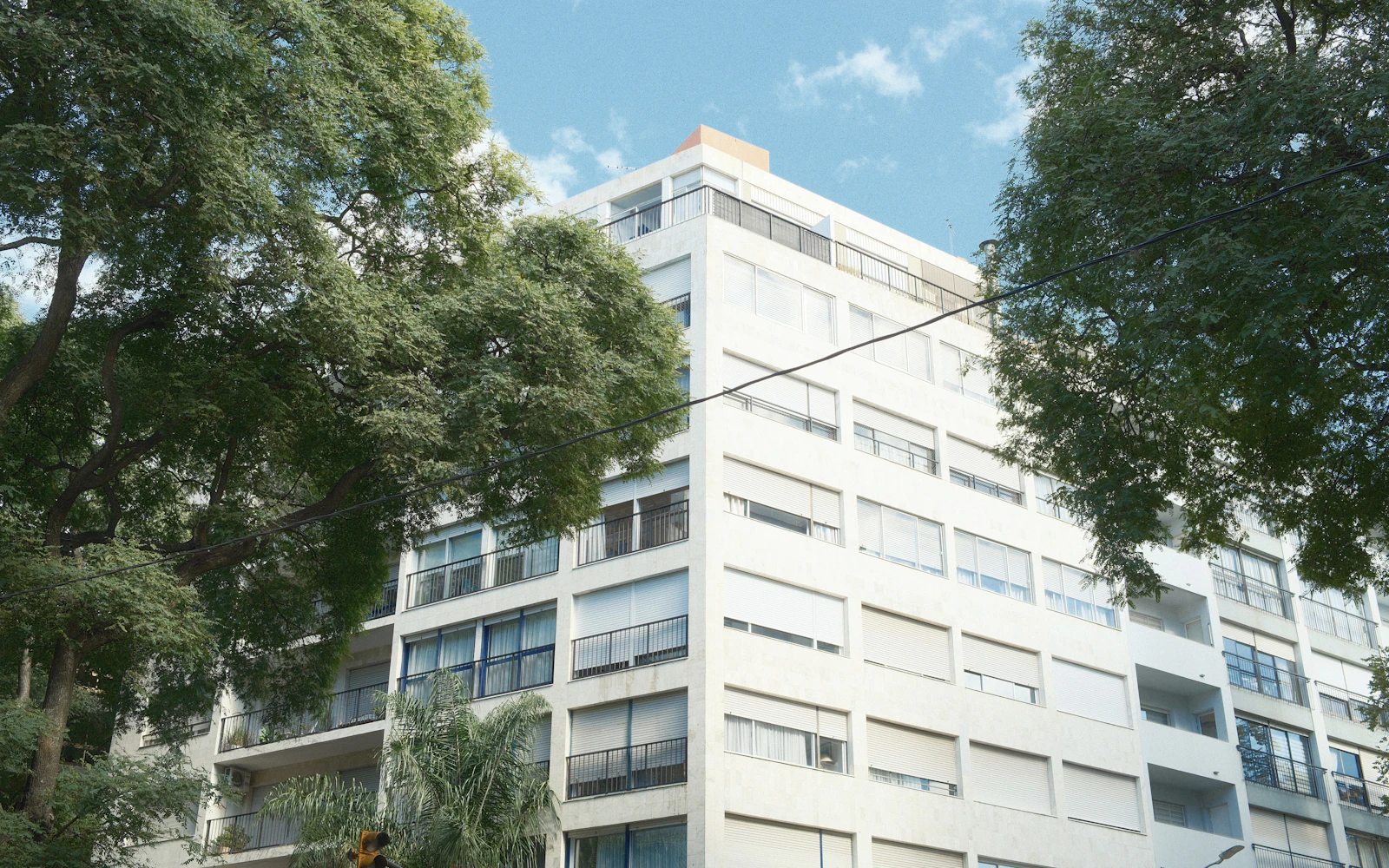
Reserve for the asset you actually own
A condominium-unit owner, detached-house owner and whole-building owner do not carry the same capital obligations. Begin with a responsibility map. For a condominium, separate unit equipment and finishes from association-managed common property, then review whether future association contributions or special assessments remain plausible. For a house or whole building, the owner usually carries the envelope, roof, plant, site and services directly.
The reserve is not the condominium repair reserve already included in monthly charges. It is the owner's own cash provision for costs that will arrive irregularly but are economically part of holding the asset.
Build a component register
List each material component, installation or last-renewal date, observed condition, expected intervention, current replacement estimate and responsibility. Typical entries include waterproofing, façade, exterior sealant, water heaters, air conditioners, kitchens, bathrooms, pumps, tanks, lifts, mechanical parking, fire systems, drainage, electrical equipment and retaining walls.
Do not turn generic useful-life tables into a prediction. Use them to schedule inspections and questions. Actual exposure, specification, maintenance and use can shorten or extend service. Record the evidence behind each date: plan, invoice, inspection, warranty, management minutes or seller statement.
Separate three kinds of spending
Routine maintenance keeps an item operating and belongs in annual expense. Capital replacement restores a component with multi-year benefit and belongs in the timed reserve. Improvement changes quality or earning power and requires its own investment case. The categories matter because a low annual maintenance budget can create a large deferred capital liability.
For a rental, also separate tenant-turnover restoration from building capital. A kitchen replaced to repair failure is not the same event as repainting between tenants, and neither should be hidden inside vacancy.
Time the cash, not just the average
For every component, put the expected cash payment into a year. A JPY 6 million roof in year eight is not safely funded by writing “JPY 750,000 per year” if the reserve begins at zero and other replacements arrive first. Model opening cash, annual contributions, investment return if any, tax treatment and the actual payment sequence.
Create base, early-failure and inflation cases. The early case pulls major work forward; the inflation case updates estimates using current quotations or a transparent construction-cost assumption. The reserve floor is the maximum cumulative funding deficit, not the average annual cost.
Read condominium plans critically
MLIT publishes guidance on long-term repair plans and reserve contributions. Use it to test process and coverage, then read the building's own plan, estimates, contribution schedule, arrears and minutes. Ask when estimates were updated, whether tax and professional fees are included, and whether expensive systems such as lifts or mechanical parking are fully represented.
A healthy association reserve does not remove unit-owner costs. It does reduce the chance that common-property work demands an unexpected special assessment. Stress both at the same time.
Put the reserve into valuation
Calculate property cash flow after the planned owner reserve, not before it. A yield that disappears after normalised capital needs is not a durable yield. When comparing assets, show price plus immediate catch-up work plus the present value of near-term replacements.
Do not automatically deduct every future yen from price; the asset will also provide service. The decision question is whether the purchase price and planned cash funding compensate for timing, uncertainty and condition relative to alternatives.
Operate and update annually
Keep reserve cash identifiable, approve withdrawals against numbered register items and retain invoices and completion photographs. Each year, roll the schedule forward, replace estimates with quotations, close completed work and add newly observed defects. Review after a tenant departure, association meeting, inspection or material weather event.
An owner abroad should give the manager clear spending authority but retain approval for capital withdrawals. The reserve is a decision system: it makes foreseeable work fundable and makes deferred work visible.
Primary sources
- MLIT — Long-term repair plans and condominium repair-reserve guidance: https://www.mlit.go.jp/jutakukentiku/house/jutakukentiku_house_tk5_000052.html
- MLIT — Condominium management resources and plan-certification criteria: https://www.mlit.go.jp/jutakukentiku/house/keikakunintei.html
- MLIT — Housing life-cycle and existing-housing policy material: https://www.mlit.go.jp/jutakukentiku/house/jutakukentiku_house_tk4_000187.html
Reviewed 23 August 2026. Property condition, adopted association documents and current quotations control the actual reserve.
Looking for a shorter starting point? Browse direct answers to common Japan property questions.
Apply this to a real property
Send us the asset or the brief.
We can review whether the property, structure, financing path, and exit logic hold together.