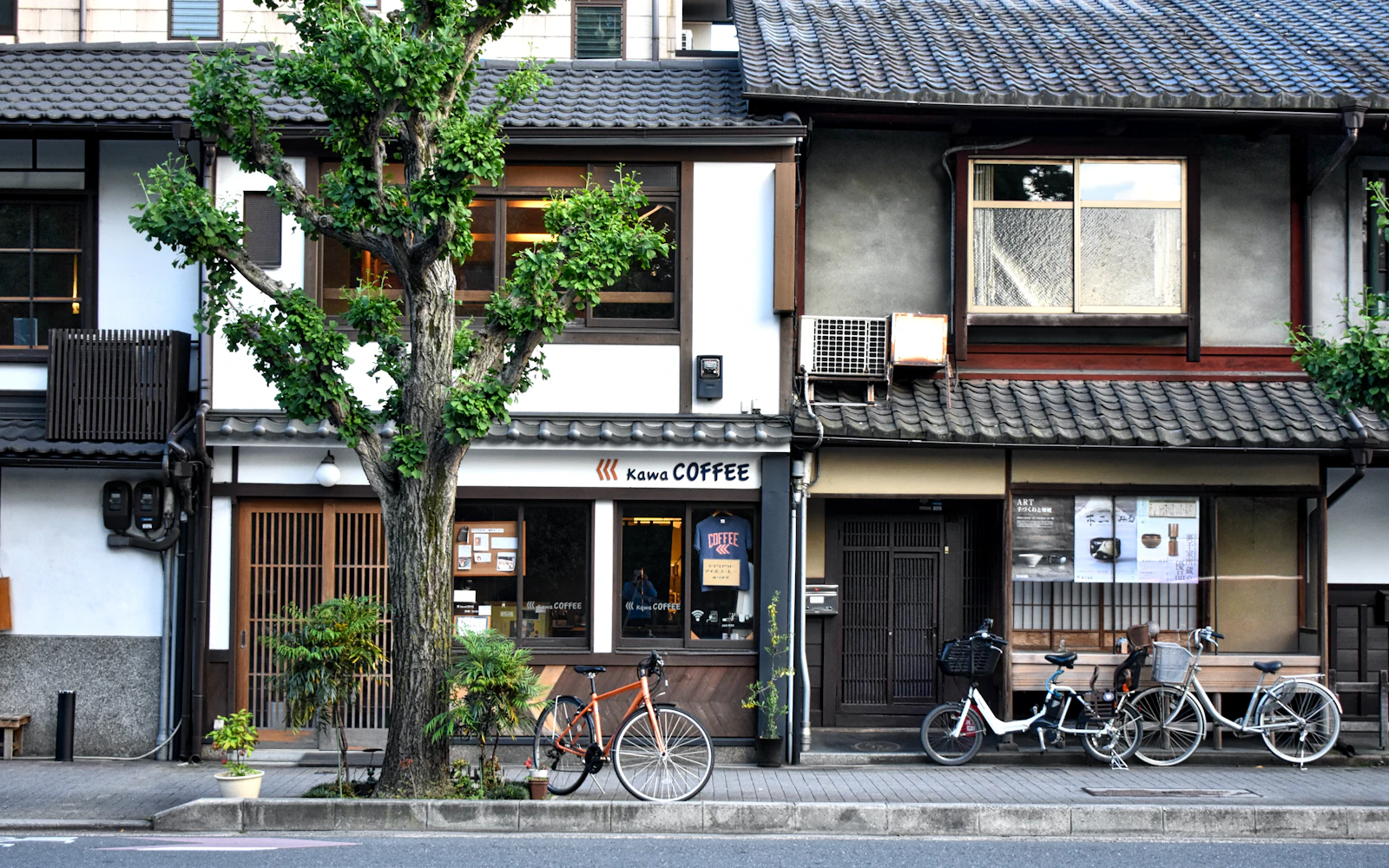
Inspect more than the front door
Define a micro-location study area: parcel, adjoining sites, station route, emergency route, daily shopping and the view corridor. Review maps before visiting so fieldwork can test specific questions. Save dated evidence; a quiet vacant lot may become a construction site.
Visit on a weekday peak, evening and weekend, and in adverse weather when practical. One ten-minute daytime viewing is not enough for a long hold.
Measure noise by source and time
Identify rail, road, aircraft, school, emergency, nightlife, loading, mechanical plant and neighbouring uses. Stand inside with windows open and closed. Check bedrooms and balconies, not just the staged living room. Record intermittent events that an average phone reading can miss.
Noise affects households differently and may be mitigated by glazing or orientation, but do not promise performance without specification. Test comparable rents and resale on the same exposure side of the building.
Walk the grade and barriers
Map slope, stairs, bridges, underpasses, railway crossings, narrow pavements and bicycle conflict. A short steep route can affect older residents, families, luggage and summer comfort. Record whether a level alternative exists and how much time it adds.
For a house, grade can also affect drainage, retaining walls, vehicle access and construction cost. Obtain specialist review where the site or adjoining land creates structural questions.
Read hazards as operational facts
Use the national hazard portal and municipal maps for flood, inland water, landslide, storm surge and other available layers. Record assumed event and depth, then relate it to floor, entrances, electrical rooms, lifts, parking, evacuation and insurance.
A high-floor unit can still lose access and building services. A parcel outside one coloured zone can remain exposed by its route or basement. Hazard evidence informs design and price; it is not a slogan.
Review changing surroundings
Check zoning, height controls, shadow, setbacks and publicly available planning. Inspect large underused sites and recent building applications where available. Ask whether a future building could block light or view and whether the subject itself has protected development capacity.
Do not assign permanent value to an unprotected view. Separate public park or water frontage from a view across privately developable land.
Test daily utility
Walk to food, pharmacy, medical care, school or childcare relevant to the target household. Observe waste storage, deliveries, taxi access, bicycle parking and night lighting. For an investment, ask managers which block-level objections appear in viewings and retain evidence from actual leases.
Convenience should be described as tasks and minutes, not “vibrant lifestyle.” The same nightlife can be an amenity for one tenant and a disqualifier for another.
Convert findings into the decision
Create a table of observation, affected user, severity, mitigation, cost, comparable evidence and unresolved follow-up. Route structural, legal, hazard and insurance questions to qualified specialists. Revisit after receiving plans or a seller explanation.
Adjust value only when evidence supports the effect. Otherwise use the finding to narrow the buyer pool, require a condition or reject the property. Micro-location diligence is successful when it changes the brief before closing.
Create a repeatable field record
Use the same map, photographs and observation sheet for every shortlisted property. Record date, time, weather and exact standing point so one dramatic impression does not outweigh the full comparison. Where a concern is material, return with the relevant specialist or measuring method.
Include one positive attribute and one unresolved weakness for every site. The discipline prevents a preferred interior from causing selective attention to the surrounding block. Ask the likely occupant to repeat the route when possible; a buyer's tolerance does not automatically describe a tenant, partner, child or future purchaser. Record disagreement instead of averaging it away.
Primary sources
- Geospatial Information Authority — Hazard Map Portal: https://disaportal.gsi.go.jp/
- MLIT — National Land Numerical Information: https://nlftp.mlit.go.jp/ksj/
- Tokyo Metropolitan Government — Urban planning information: https://www.toshiseibi.metro.tokyo.lg.jp/
- MLIT — Real-estate information library: https://www.reinfolib.mlit.go.jp/
Reviewed 23 August 2026. Verify parcel and route conditions with current official maps, fieldwork and specialists.
Looking for a shorter starting point? Browse direct answers to common Japan property questions.
Apply this to a real property
Send us the asset or the brief.
We can review whether the property, structure, financing path, and exit logic hold together.